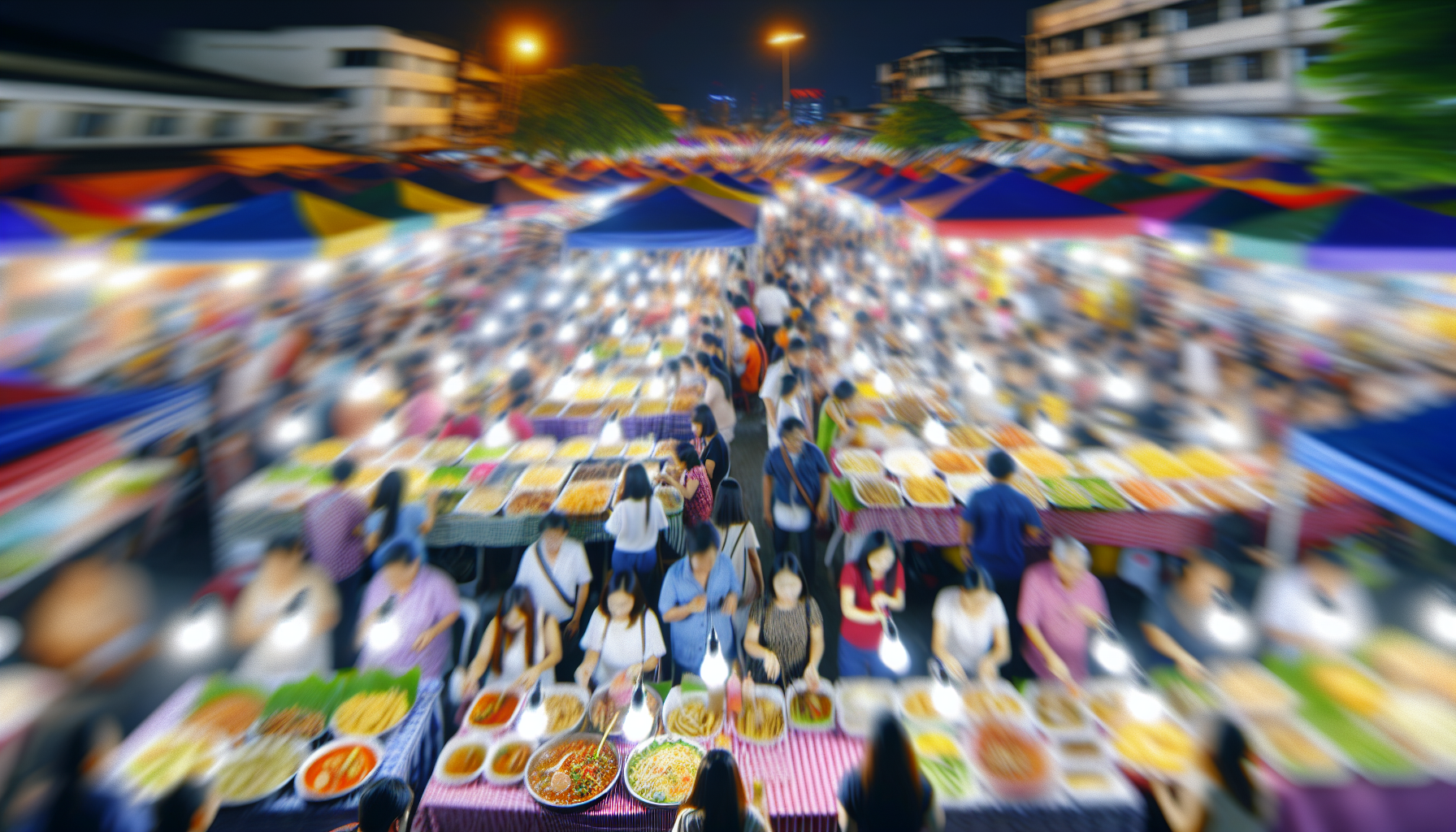
Bangkok, the bustling capital of Thailand, is a paradise for food lovers, offering an extraordinary array of street foods that are as diverse as they are delicious. From the bustling streets of Yaowarat to the local gems hidden in corners, the city’s street food culture is a testament to its rich culinary heritage.
The Cultural Melting Pot of Bangkok’s Street Food
Bangkok’s street food scene is an extraordinary tapestry woven from centuries of cultural influences, prominently featuring the culinary contributions of Chinese immigrants. This fusion dates back to the late 18th century when Chinese traders and laborers settled along the banks of the Chao Phraya River. Their arrival introduced a plethora of flavors and cooking techniques that melded seamlessly with traditional Thai dishes, creating a culinary landscape like no other.
Chinatown, or Yaowarat, stands as a testament to this rich history, where narrow alleyways pulsate with energy from food vendors selling everything from steaming dumplings to aromatic roasted ducks. The culinary innovations here have not only preserved age-old recipes but have also sparked new creations that reflect both Thai and Chinese heritages. Street food stalls serve as cultural touchstones, providing a space for generational recipes to flourish while adapting to contemporary tastes. The legacy of this vibrant blend has made Bangkok a renowned destination for food enthusiasts seeking authentic and diverse flavors, solidifying its status as a global street food capital.
Iconic Street Foods You Must Try in Bangkok
As you traverse the bustling streets of Bangkok, you’ll encounter a plethora of iconic street foods that reflect the city’s rich culinary tapestry. One must-try dish is **Pad Thai**, a stir-fried noodle dish combining flat rice noodles with shrimp, chicken, or tofu, and flavored with tamarind sauce, fish sauce, and lime. Often garnished with crushed peanuts and bean sprouts, this dish perfectly balances sweet, salty, and tangy tastes. Head to Yaowarat for some of the most authentic Pad Thai experiences.
Another staple is **Khao Pad** (fried rice), which is typically made with day-old jasmine rice, stir-fried with garlic, vegetables, and your choice of protein. Each vendor adds their unique twist, often using soy sauce and oyster sauce for a richer flavor. You can find delightful versions of Khao Pad in Khao San Road’s vibrant market scene.
When in search of a refreshing yet fiery option, **Tom Yum Goong** (spicy shrimp soup) is a must. Infused with lemongrass, kaffir lime leaves, and chili, this soup is both aromatic and invigorating. Try it at local food stalls around Ratchada night market, where the steam from boiling pots signals the freshness of the ingredients.
Finally, **Som Tum** (papaya salad) offers a vibrant crunch, mixing shredded green papaya with tomatoes, long beans, peanuts, and a spicy dressing of lime juice, fish sauce, and palm sugar. Vendors in Chatuchak Market expertly blend flavors to create a salad that is both spicy and refreshing, perfect for Bangkok’s warm climate. Each of these dishes tells a story through its ingredients and preparation, showcasing why Bangkok is a true culinary hotspot.
Navigating Bangkok’s Street Food Scene Safely
Exploring Bangkok’s street food scene comes with its own set of challenges, particularly concerning health and safety. To make the most of your culinary adventure, it’s essential to keep a few practical tips in mind. Start by observing the stalls; those with higher foot traffic are often a good indication of freshness and quality. Look for vendors who maintain a tidy workspace and handle food with care.
When venturing into areas like Bang Lamphu and Pratu Phi, the best times to explore are during the evening when the stalls are bustling, and the variety is at its peak. Always carry some hand sanitizer to use after touching common surfaces. For those with special dietary needs, it helps to have key phrases written in Thai or a translation app handy to communicate your requirements.
Finally, listen to your instincts; if a stall looks unclean or the food seems questionable, it’s wiser to move on. By taking these precautions, you can enjoy Bangkok’s vibrant street food without worry, diving deep into the flavors that represent the city’s rich cultural heritage.
Conclusions
Bangkok’s street food scene is not just about eating; it’s about immersing oneself in the city’s dynamic culture and history. From aromatic spices to diverse flavors, every dish offers a story. By savoring these street delicacies, visitors not only satisfy their taste buds but also connect with the essence of Bangkok’s vibrant culinary traditions, making each meal a celebration of Thai culture.
Leave a Reply